

In today’s fast-paced digital world, businesses can no longer afford to ignore the power of technology. But knowing which tools to use, how to implement them, and how to align them with your business goals, that’s where a Technology Solutions Professional (TSP) becomes indispensable.
Whether you’re a startup exploring cloud computing solutions or a large enterprise undergoing a full-scale digital transformation, a skilled TSP is the strategic partner who makes it all work.
This guide explores everything you need to know about the role, from responsibilities and required skills to salary expectations and career growth opportunities.
What Is a Technology Solutions Professional?

A technology solutions professional is a specialized IT expert who bridges the gap between complex technology systems and real business needs. Unlike a general IT technician, a TSP operates at a strategic level, designing, implementing, and managing end-to-end technology frameworks that support long-term business objectives.
TSPs typically work within technology companies, managed IT services firms, or as independent IT strategy consultants.
They collaborate with sales, operations, and leadership teams to ensure the right solutions are selected, configured, and maintained, creating measurable business value at every stage.
Think of a TSP as your company’s technology translator: someone who understands both the language of IT and the language of business.
Core Responsibilities of a Technology Solutions Professional
The day-to-day role of a TSP is dynamic and multifaceted. Here’s what a typical TSP handles:
Assessing Business Technology Needs
Before recommending or deploying any solution, a TSP conducts a thorough assessment of existing IT infrastructure management, workflow inefficiencies, and growth bottlenecks. This diagnostic phase ensures every recommendation is rooted in real business challenges, not generic templates.
Designing and Architecting Solutions
Once the needs are mapped, TSPs architect custom solutions from enterprise IT solutions and systems integration services to specialized platforms like Keepho5ll software tailored for specific departments. These designs must account for scalability, security, and seamless compatibility with existing platforms.
Implementing Digital Transformation Services
Digital transformation isn’t just about new software; it’s a cultural and operational shift. TSPs lead this transition, helping organizations migrate to cloud computing solutions, automate repetitive tasks, and integrate data management solutions that drive smarter decision-making.
Providing Ongoing IT Support and Consulting
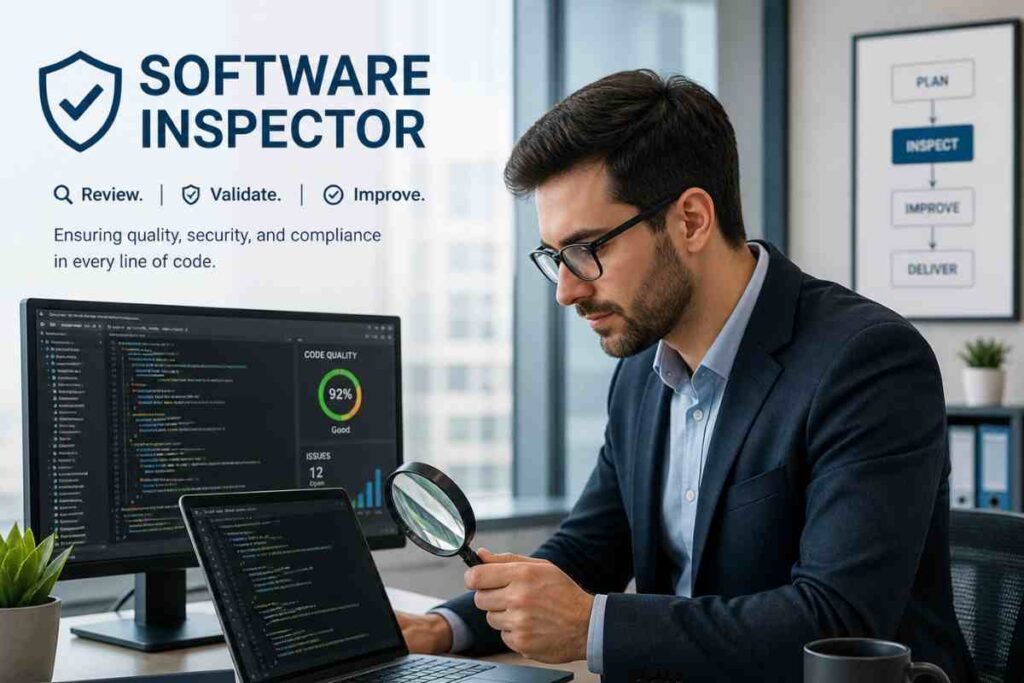
Implementation is just the beginning. TSPs provide continuous IT consulting services using corporate software inspector tools to monitor performance metrics and make adjustments as business needs evolve. This includes network security solutions, system updates, and proactive troubleshooting, all to ensure uptime and reliability.
Industries That Rely on Technology Solutions Professionals
TSPs are not limited to the tech sector. Their expertise is in high demand across virtually every industry:
- Healthcare: Implementing secure patient data management solutions, HIPAA-compliant systems, and advanced fields like interventional radiology technology
- Finance: Deploying enterprise IT solutions for fraud detection, regulatory compliance, and risk management
- Retail & eCommerce: Building web development solutions and automation & AI solutions to personalize customer experience
- Manufacturing: Optimizing IT infrastructure management to drive supply chain efficiency
- Small Businesses: Offering small business IT solutions that are affordable, scalable, and growth-ready
Essential Skills of an IT Solutions Expert
To thrive as a Technology Solutions Professional, you need a powerful blend of technical mastery and interpersonal skills:
Technical Skills
- Cloud computing platforms (AWS, Microsoft Azure, Google Cloud)
- Network security solutions and cybersecurity frameworks
- Software development and systems integration services
- Data analytics and data management solutions
- IT infrastructure design and management
Business & Soft Skills
- Strategic communication and stakeholder management
- Project management and deadline-driven execution
- Problem-solving under pressure
- Understanding of SEO & digital marketing services to align tech with growth goals
- Ability to translate technical jargon into business language
Education and Certifications Required
Most employers expect a Technology Solutions Professional to hold at least a bachelor’s degree in computer science, information technology, software engineering, or a related field. However, in today’s competitive landscape, certifications can be just as powerful as formal degrees.
Top certifications for TSPs include:
- AWS Certified Solutions Architect: the gold standard for cloud solutions consultant roles
- Microsoft Certified: Azure Solutions Architect Expert
- Cisco Certified Network Associate (CCNA): ideal for network security solutions specialists
- CompTIA Security: for cybersecurity-focused TSPs
- ITIL Foundation: aligns IT services with business strategy
- PMP (Project Management Professional): for TSPs managing enterprise IT projects
For those aiming at senior roles, an MBA with a technology management focus or a master’s in Information Systems can provide the business strategy knowledge that separates great TSPs from good ones.
Technology Solutions Professional Salary: What Can You Earn?
Compensation for a Technology Solutions Professional varies based on location, specialization, and experience. Here’s a general breakdown:
- Entry-Level TSP: $65,000 – $85,000/year
- Mid-Level TSP: $85,000 – $115,000/year
- Senior TSP / IT Strategy Consultant: $120,000 – $160,000+/year
- Microsoft TSPs and those specializing in cloud or cybersecurity can earn $140,000+ with bonuses
Top employers include Microsoft, Amazon Web Services (AWS), Google, IBM, Cisco, Accenture, Deloitte, Capgemini, and countless managed IT services providers. Performance bonuses, stock options, and remote work flexibility further enhance total compensation packages.
How to Become a Technology Solutions Professional: Step-by-Step
Step 1: Build Your Foundation
Start with a degree in IT, Computer Science, or a related field. Focus on programming, networking, and systems architecture. Even if you don’t have a formal degree, online platforms like Coursera, Udemy, or edX offer strong foundational courses.
Step 2: Gain Hands-On Experience
Work as a systems administrator, IT support specialist, or software developer. Real-world exposure to IT infrastructure management and enterprise systems is invaluable.
Step 3: Earn Industry Certifications
Pursue relevant certifications (see the list above). AWS, Azure, and Cisco credentials are particularly valuable for landing TSP roles at leading firms.
Step 4: Develop Business Acumen
TSPs who understand business strategy, not just technology, advance faster. Study business processes, learn project management frameworks, and develop your consulting communication style.
Step 5: Specialize and Expand
Whether it’s cloud solutions consulting, automation & AI solutions, managed IT services, or cybersecurity, specialization increases your value and salary potential significantly.
The Future of the Technology Solutions Professional Role
The role of a Technology Solutions Professional is rapidly evolving.As major trends in technology like automation & AI solutions, machine learning, and edge computing become mainstream, TSPs must constantly upskill to stay relevant.. Here are the key trends shaping the profession:
AI-Driven IT Consulting
From predictive analytics to AI-powered network monitoring, what 493xds5-0 means in software is just one example of how artificial intelligence is reshaping how TSPs deliver value. Professionals who understand how to deploy and manage AI tools will be in especially high demand.
Zero-Trust Security Models
As cyber threats become more sophisticated, network security solutions are shifting toward zero-trust architectures. TSPs with cybersecurity expertise will command premium salaries.
Hybrid Cloud Strategies
Most organizations are moving toward hybrid cloud environments that blend public cloud (AWS, Azure) with private infrastructure. TSPs skilled in cloud solutions consulting and migration are critical to this shift.
Small Business IT Boom
With more small businesses investing in digital tools, the demand for affordable small business IT solutions is surging, creating a significant opportunity for TSPs who can serve this market effectively.
Final Thoughts
The role of a Technology Solutions Professional has never been more important. As businesses continue to digitize operations, adopt cloud computing solutions, and navigate complex cybersecurity threats, skilled TSPs are the people ensuring that technology serves as a growth engine, not a liability.
Whether you’re looking to hire a TSP, become one, or simply understand what this role means for your organization, one thing is clear: in the modern business world, having access to expert business technology services isn’t optional; it’s essential.
Ready to take your business technology to the next level? Partner with a certified Technology Solutions Professional and start your digital transformation journey today.
FAQs
What is the difference between a Technology Solutions Professional and an IT consultant?
While the roles overlap, an IT strategy consultant typically focuses on high-level strategy and advisory.
Do I need a degree to become a technology solutions professional?
A degree is preferred but not always required. Certifications like AWS, Azure, or Cisco, along with experience and a strong portfolio, can often replace formal education, especially in cloud and cybersecurity fields.
What industries hire Technology Solutions Professionals?
TSPs work across many sectors, including healthcare, finance, retail, manufacturing, government, and education.
How is a TSP different from a software developer?
Software developers primarily build and code applications.
What is the job outlook for Technology Solutions Professionals?
The outlook is excellent, with strong growth in IT roles projected through 2030+. Demand is driven by cloud adoption, cybersecurity needs, and expanding business technology services.
Can a TSP work remotely?
Absolutely. Many IT consulting services and managed IT services roles are fully remote or hybrid.