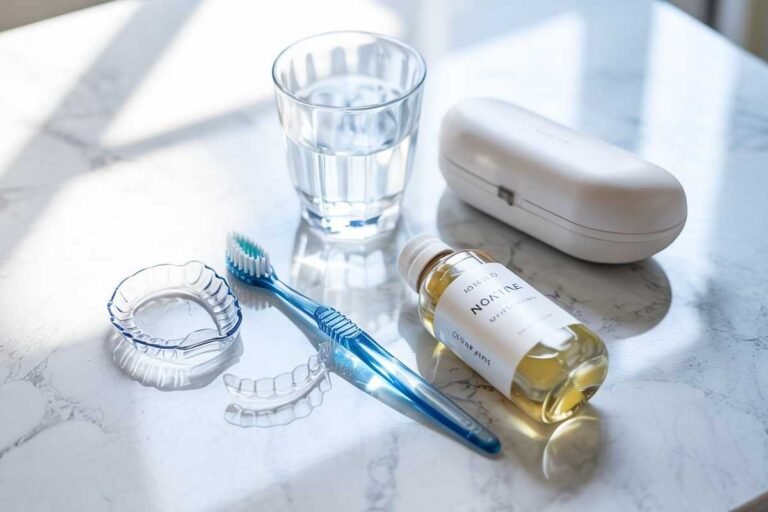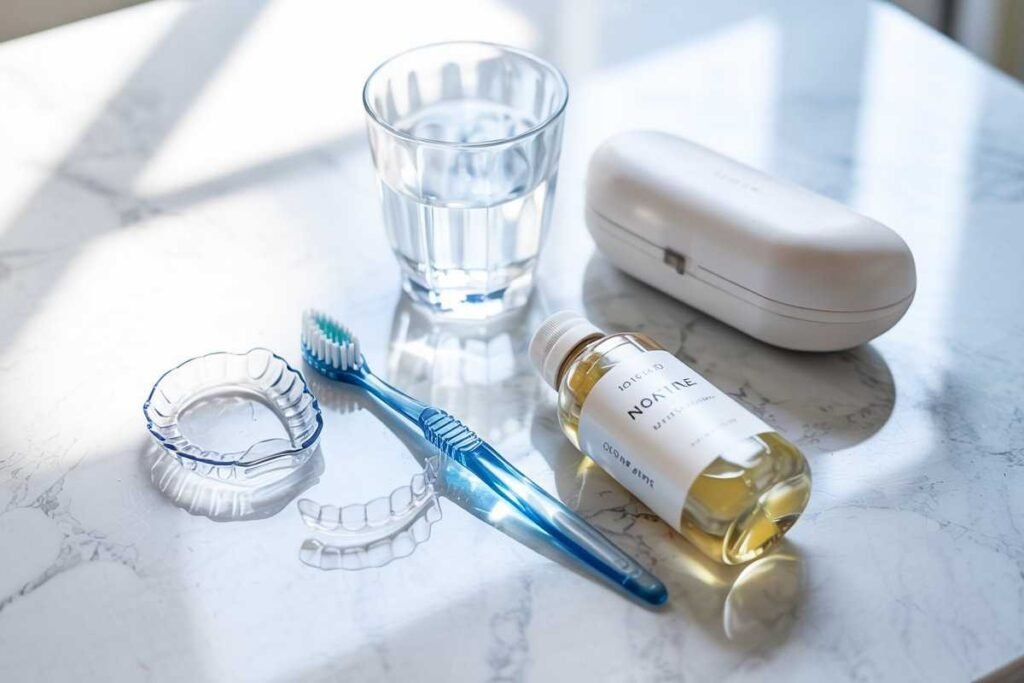

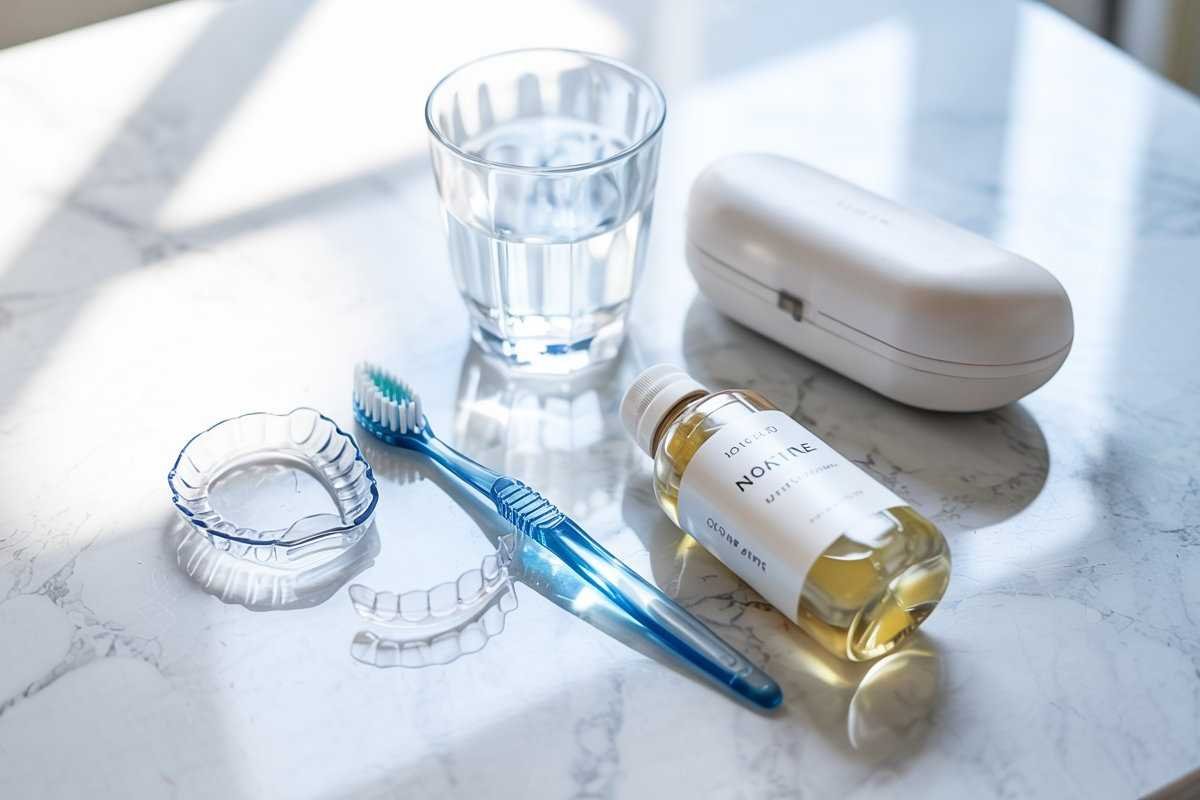
So, you finally got your braces off congratulations! But now comes the next important step: learning how to clean retainers the right way. Whether you have a clear plastic retainer, a Hawley retainer, or a fixed permanent retainer, keeping it clean is just as important as wearing it every day.
Think of your retainer like a sponge that sits in your mouth for hours. It collects bacteria, saliva, food particles, and plaque every single day. If you do not know how to clean retainers properly, that buildup can cause bad breath, gum disease, and even tooth decay.
The good news is that learning how to clean retainers does not have to be complicated. In this complete guide, you will find 7 proven methods from daily cleaning habits to deep cleaning techniques, post-illness disinfection and when it is time to replace your retainer altogether. You may also want to read our guide on types of How to Clean Retainers explained to understand which appliance you have before getting started.
Watch: Step-by-Step Video Tutorial
If you want an easy way to understand how to clean retainers properly, watch the video tutorial below. In this video, we demonstrate the entire retainer cleaning process live using simple tools you already have at home.
What You Will Learn in This Video Tutorial:
- How to correctly rinse and brush your retainer after removing it.
- The proper way to use dish soap and a soft toothbrush for daily cleaning.
- The process of deep cleaning your retainer using natural methods at home.
- How to store your retainer safely to prevent bacteria buildup.
Expert Tip: Follow the steps along with the video tutorial to ensure you clean your retainer correctly and keep your smile healthy without any mistakes.
Why Cleaning Your Retainer Matters
Before we dive into how to clean retainers step by step, it helps to understand why retainer cleaning is so important.
Your retainer lives inside your mouth, which means it is constantly exposed to bacteria, food debris, and saliva. When you skip cleaning, several problems start to develop quickly.
Bacteria and Plaque Buildup
Your mouth naturally contains hundreds of types of bacteria. When your retainer is not cleaned daily, those bacteria multiply on its surface and form a sticky film called plaque. Over time, plaque hardens into tartar, which is much harder to remove and can irritate your gums. According to the American Dental Association, poor oral hygiene directly increases your risk of gum disease and cavities.
Unpleasant Odors and Staining
Have you ever picked up a retainer that smells strange? That odor comes from bacteria feeding on food particles and releasing foul-smelling compounds. Additionally, if you drink coffee, tea, or colored drinks while wearing your retainer, it can stain over time especially clear plastic How to Clean Retainers.
Shortened Retainer Lifespan
Residual sugars, acids, and plaque can gradually break down acrylic and plastic materials. A retainer that is not cleaned regularly may warp, crack, or lose its shape faster meaning you will need to replace it sooner and spend money you did not have to.
Types of Retainers and How to Clean Retainers Each One
This is where most guides fall short. Not every retainer is the same, and each type needs slightly different care. Understanding your retainer type is the first step toward learning how to clean retainers correctly. For more detail, check out our post on how long retainers last and when to replace them.
How to Clean a Hawley Retainer
A Hawley retainer is the classic wire-and-acrylic appliance that many people recognize. It has a hard acrylic plate and a metal wire that runs across the front of your teeth. Here is how to clean retainers of this type:
- Rinse it under lukewarm water every time you remove it
- Use a soft-bristled toothbrush and mild dish soap to scrub the acrylic and wire gently
- Soak it in a retainer-cleaning tablet solution once a week for 10 to 15 minutes
- Dry it completely before placing it back in its case
Avoid using hot water on Hawley How to Clean Retainers because high heat can warp the acrylic plate and permanently change the fit.
How to Clean Retainers (Essix / Invisalign Retainers)
Clear plastic retainers, including those made after Invisalign treatment, are the most popular type today. They are virtually invisible but also the most prone to staining and cloudiness. Knowing how to clean Invisalign How to Clean Retainers specifically is essential for keeping them clear.
Daily care for clear retainers:
- Rinse immediately after removing do not let saliva dry on the surface
- Brush gently with a soft toothbrush and clear, unscented dish soap
- Never use toothpaste it contains abrasive particles that scratch the plastic, creating tiny grooves where bacteria hide
- Store in a ventilated case when not wearing
How to clean Invisalign retainers specifically:
Invisalign recommends using their official Cleaning Crystals, which are dissolving packets designed specifically for their aligner material. You can also use Retainer Brite tablets. Soak for no more than 15 minutes and rinse thoroughly. The American Association of Orthodontists also recommends rinsing aligners every time they are removed to prevent bacterial buildup.
How to Clean a Permanent (Fixed / Bonded) Retainer
A permanent retainer is a thin wire bonded to the back of your front teeth. Since you cannot remove it, cleaning requires more effort but it is absolutely essential.
- Floss daily using a floss threader or orthodontic floss to How to Clean Retainers between the wire and each tooth
- Use an interdental brush to remove debris around the wire
- A water flosser is also highly effective for flushing food particles from around a bonded retainer
- Brush twice a day, paying extra attention to the area near the wire
Neglecting a permanent retainer leads to tartar buildup that only a dentist can remove, along with an increased risk of decay in those teeth.
Daily Cleaning Routine: Step-by-Step
For removable How to Clean Retainers, follow this simple daily routine to keep them fresh and bacteria-free. This is the foundation of knowing how to clean your retainer every day.
Step 1: Remove and rinse immediately
As soon as you take out your retainer, rinse it under lukewarm water. This removes loose saliva and particles before they dry and harden.
Step 2: Brush gently with dish soap
Put a small drop of mild, unscented dish soap on a dedicated soft-bristled toothbrush. Gently scrub all surfaces of the retainer inside, outside and in any grooves. Avoid brushing too hard as this can scratch plastic surfaces.
Step 3: Rinse thoroughly
Rinse the retainer completely under lukewarm water to remove all soap residue. Leftover soap can cause irritation in your mouth.
Step 4: Let it air dry before storing
Before placing your retainer in its case, allow it to air dry briefly. A wet retainer in a closed case creates a humid environment that bacteria love.
Step 5: Clean your case too
Many people learn how to clean Retainers but forget about the case. Rinse your case with warm water and dish soap daily, and let it dry before placing the retainer back inside.
7 Deep Cleaning Methods: Weekly Retainer Care
Daily brushing keeps your retainer fresh, but a weekly deep clean removes stubborn bacteria, stains, and mineral deposits.
Furthermore, deep cleaning is especially important after you have been sick. Here are the 7 most effective methods for how to clean retainers deeply:
Method 1: Retainer Cleaning Tablets
Retainer Brite and similar dissolvable cleaning tablets are specifically formulated for oral appliances. They use mild effervescent action to lift bacteria and stains without damaging the material.
How to use:
- Fill a glass with lukewarm water
- Drop in one cleaning tablet and let it fully dissolve
- Submerge your retainer and soak for 10 to 15 minutes (never exceed 15 minutes)
- Remove, scrub lightly with a soft brush, and rinse thoroughly
Method 2: Hydrogen Peroxide Soak
Hydrogen peroxide is an excellent natural disinfectant that kills bacteria and helps remove stains. Additionally, it is safe for most retainer materials when diluted properly.
How to use:
- Mix equal parts 3% hydrogen peroxide and lukewarm water
- Submerge your retainer completely
- Soak for 15 to 20 minutes
- Rinse thoroughly under running water before wearing
Method 3: Baking Soda Paste
Baking soda is a gentle natural cleaner that neutralizes odors and lifts light stains. It is a great chemical-free option for those who prefer natural methods of how to clean a retainer at home.
How to use:
- Mix equal parts baking soda and water in a small bowl
- Stir until it forms a thick paste
- Apply the paste to your retainer using a soft toothbrush
- Scrub gently for one to two minutes
- Rinse completely make sure no paste residue remains
Method 4: White Vinegar Soak
White vinegar is another natural disinfectant that also removes visible mineral spots and light stains. However, because vinegar has a strong smell, it is best to do this step in a well-ventilated area.
How to use:
- Mix equal parts white vinegar and warm water in a clean bowl
- Submerge your retainer and soak for no more than 20 minutes
- Remove and scrub gently with a soft toothbrush
- Rinse very thoroughly vinegar residue tastes unpleasant
Method 5: Ultrasonic Cleaner
An ultrasonic retainer cleaner uses high-frequency sound waves to create tiny vibrations in water that dislodge bacteria and debris from every surface even microscopic crevices. While more expensive upfront, it is the most thorough method for how to clean retainers and takes only a few minutes.
Method 6: Invisalign Cleaning Crystals
Designed specifically for Invisalign aligners and How to Clean Retainers, these official cleaning crystals are one of the safest ways to deep clean clear plastic How to Clean Retainers. Follow the packet instructions carefully and never soak longer than recommended.
Method 7: Denture Cleaning Solution (Occasional Use Only)
Denture solutions can be used occasionally when other options are unavailable. However, do not use them regularly as they can turn How to Clean Retainerss yellow over time. Always follow the instructions and never soak longer than 15 minutes.
How to Clean Your Retainer After Being Sick
This is one of the most important and most overlooked topics in retainer care. After you recover from a cold, flu, or any illness, your retainer may still carry the virus or bacteria that made you sick. Simply going back to your regular cleaning routine is not enough.
Step 1: Replace or Disinfect Your Cleaning Toothbrush
The toothbrush you use to clean your retainer can carry illness-causing germs. After recovering from sickness, replace it entirely or disinfect it by:
- Soaking it in antibacterial mouthwash for several minutes, then rinsing thoroughly
- Using a UV sanitizer device, which kills germs using ultraviolet light
- Soaking it in a denture cleaning solution, then rinsing well before reusing
Step 2: Deep Clean the Retainer Case
Your retainer case should be scrubbed thoroughly with dish soap and warm water after an illness. Allow it to dry completely before placing your clean retainer back inside. A damp case is a breeding ground for reinfection.
Step 3: Disinfect the Retainer Itself
Regular daily cleaning does not kill viruses or illness-causing bacteria it only removes surface debris. To truly disinfect your retainer after being sick, use one of the following:
- Retainer Brite tablets: Soak for 10 to 15 minutes, rinse well
- Baking soda paste: Natural option, scrub gently then rinse thoroughly
- White vinegar and water soak: No more than 20 minutes, rinse completely
- Hydrogen peroxide solution: Mix with equal parts water, soak 15 minutes
Always ask your dentist before using any new cleaning product on your retainer, as different retainer materials respond differently to cleaning agents.
Common Retainer Cleaning Mistakes to Avoid
Even careful retainer wearers sometimes make mistakes that shorten their retainer’s life or create hygiene problems. Here is what to avoid when learning how to clean retainers properly:
Using Hot or Boiling Water
Heat is one of the biggest enemies of plastic and acrylic retainers. Hot water can warp the material and alter the fit permanently. Always use lukewarm water.
Using Toothpaste
Most toothpastes contain abrasive particles that scratch the surface of How to Clean Retainers. Those scratches create tiny hiding spots for bacteria and make the retainer look cloudy over time.
Using Bleach
Bleach is far too harsh for retainer materials. It can degrade plastic, leave chemical residues, and irritate your gums and mouth lining.
Using Alcohol-Based Mouthwash
The alcohol content can dry out and crack plastic How to Clean Retainers over time. Use an alcohol-free version only if you want to briefly freshen your retainer.
Putting It in the Dishwasher
The high heat and harsh detergents inside a dishwasher will warp your retainer quickly a very common and costly mistake.
Skipping Daily Rinses
Skipping your after-removal rinse allows saliva to dry on the retainer surface, creating a film that accelerates bacterial buildup.
Retainer Storage and Travel Tips
Proper storage is an often-ignored part of knowing how to clean retainers and keep them in good shape. Where and how you store your retainer directly impacts its cleanliness and longevity.
At Home Storage:
- Always store your retainer in its ventilated case when not wearing it
- Never wrap it in a napkin it looks like trash and gets thrown away far too often
- Keep it away from pets, who are attracted to the smell of saliva and will chew it
- Store in a cool, dry place away from direct sunlight and heat sources
Traveling With Your Retainer:
- Pack a travel-size cleaning kit: soft-bristled brush, mild dish soap, and a small container
- Bring a few cleaning tablets for deep cleaning on longer trips
- Always carry your retainer in its case loose How to Clean Retainers in bags get damaged or lost
Retainer Case Care:
Replace your retainer case if you notice visible cracks, persistent odors even after cleaning, or if you have been using the same case for more than a year. A dirty case undoes all your retainer cleaning efforts. Also read our guide on how to store your retainer safely for more tips.
When Should You Replace Your Retainer?
Even with perfect knowledge of how to clean retainers, retainers do not last forever. Here are the signs it is time for a new one:
- Visible cracks, chips, or broken wires
- The retainer feels noticeably looser or tighter than usual
- Persistent odor that does not go away despite thorough cleaning
- Discoloration or cloudiness that cannot be removed
- It no longer fits properly after inconsistent wear
- The plastic has turned yellow or brittle
Removable How to Clean Retainers generally last one to three years with proper daily care. Permanent retainers can last many years but require regular professional checkups. If your retainer is over two years old and showing any of the signs above, schedule an appointment with your orthodontist for an evaluation.
When to Call Your Orthodontist
Most retainer issues can be handled at home, but some situations require professional attention. Contact your orthodontist if you notice:
- A persistent bad smell even after multiple deep cleaning sessions
- Cracks, warping, or broken wires stop wearing it immediately
- Gum soreness or irritation around the retainer area
- The retainer does not fit correctly after a period of consistent wear
- You have lost your retainer and need a replacement
Do not try to bend or reshape a warped retainer yourself. Doing so can make the problem worse and even damage your teeth alignment.
Conclusion
Knowing how to clean retainers properly is one of the most important habits you can build after orthodontic treatment. A clean retainer protects your teeth, prevents bad breath, extends the life of your appliance and keeps your smile looking exactly the way your orthodontist intended.
To recap: rinse daily, brush with dish soap, deep clean weekly using one of the 7 methods above, disinfect after illness, and watch for signs that it is time for a replacement. Whether you have a Hawley retainer, a clear plastic retainer, or a fixed permanent retainer, following these steps consistently will make a significant difference in both your oral health and your retainer’s longevity.
If you ever have questions about your specific retainer or notice any fit issues, always reach out to your orthodontist or dentist. They can provide personalized guidance that no online guide can replace.
FAQs
How often should I clean my retainer?
Rinse your retainer every time you remove it and brush it with dish soap once daily. Do a deep clean with tablets or a natural soak once per week.
Can I use mouthwash to clean my retainer?
Avoid soaking in alcohol-based mouthwash as it damages plastic over time. A brief rinse with alcohol-free mouthwash is acceptable as a freshening step.
What if my retainer still smells after cleaning?
Persistent odor usually means bacteria are hiding in micro-cracks or the material has aged. Try a hydrogen peroxide soak if the smell continues, consult your orthodontist about a replacement.
How do I clean my retainer while traveling?
Pack a soft brush, mild dish soap, and one or two cleaning tablets in a travel kit. Rinse after every removal and do a quick brush-clean daily even on the go.
Is it safe to use denture cleaner on my retainer?
Denture cleaner is fine occasionally but not for regular use as it can turn How to Clean Retainers yellow. Use it only when other options are unavailable and never exceed the recommended soak time.
Can I clean my retainer with just water?
Plain water rinsing helps but is not enough to remove bacteria and plaque. Always use mild dish soap or a specialized retainer cleaner for proper hygiene.
What should I do if my child has had the flu and wears a retainer?
Disinfect the retainer and case thoroughly after illness and replace or sanitize the cleaning toothbrush. Use a retainer cleaning tablet or baking soda paste and always consult your child’s dentist first.
Can pets get sick from a retainer?
How to Clean Retainers carry mouth bacteria that can be harmful to pets, so keep them out of reach always. If your pet chews it, stop using it immediately and contact your orthodontist for a replacement.