

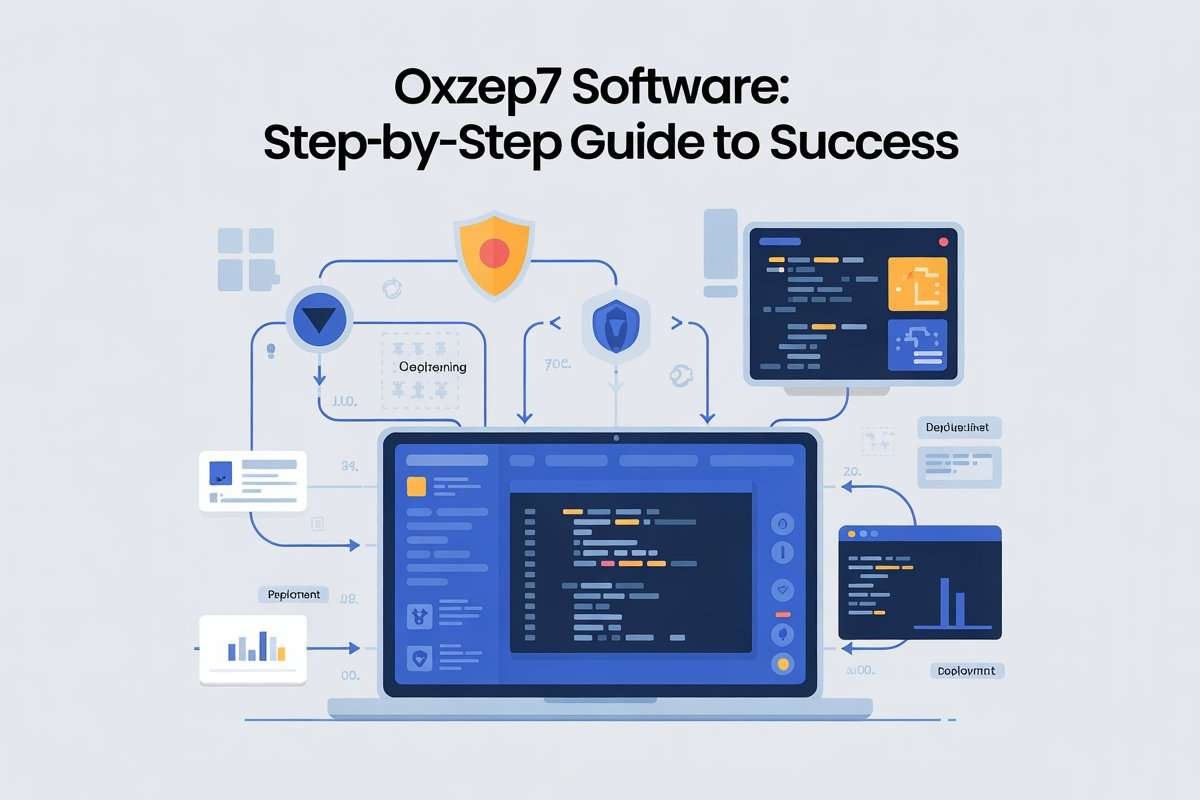
Have you ever wondered why some software projects succeed effortlessly while others face endless delays and security issues? The secret often lies in the planning and execution of the development process. If you want to develop Oxzep7 software that is secure, scalable, and future-ready, understanding the framework from codebase to deployment is crucial.
In this guide, you will learn how to structure your Oxzep7 development, avoid common mistakes, optimize performance, and ensure your application delivers real business value. By the end, you’ll have a clear roadmap to create robust Oxzep7 applications efficiently and effectively.
What is Develop Oxzep7 Software?
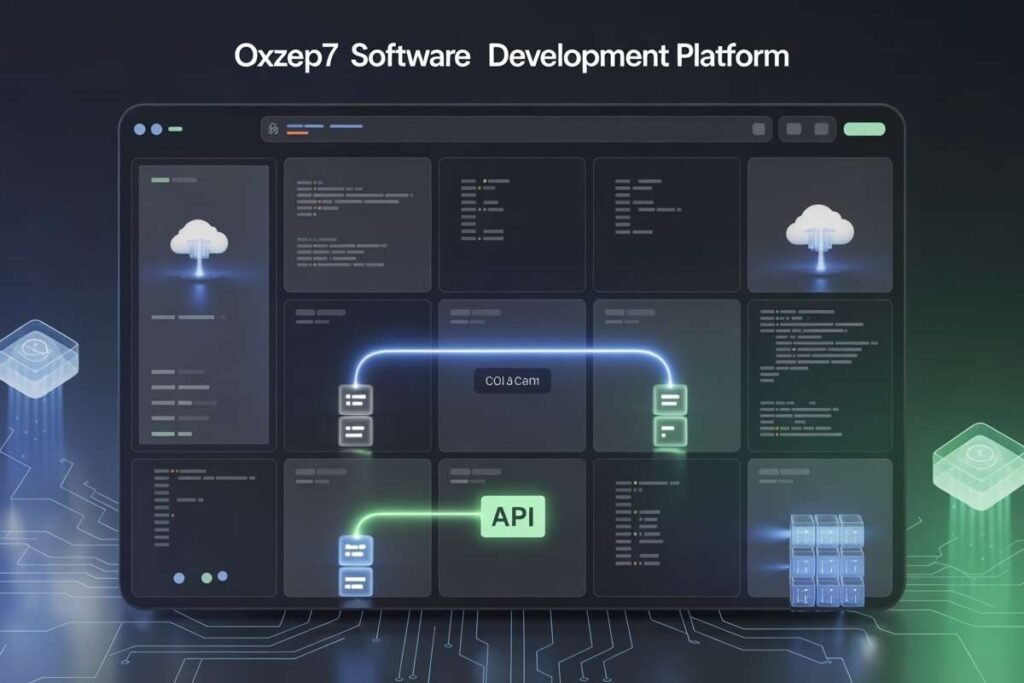
Develop Oxzep7 Software is a modern development framework designed to build applications that are secure, modular, and scalable. Unlike traditional software, Oxzep7 emphasizes a structured approach to codebase management, module integration, and cross-platform compatibility.
Its architecture supports high-performance computing, AI integration, cloud deployment, and automation. Developers use Oxzep7 to create everything from enterprise software to SaaS and mobile applications.
Key features include strong encryption, modular APIs, robust backend/frontend architecture, and cloud-native capabilities.
By following Oxzep7 programming principles, developers can ensure that applications are future-ready and maintainable over the long term.
Why Develop Oxzep7 Software?
Developing Oxzep7 software is not just a technical choice; it is a strategic decision. Organizations and developers choose Oxzep7 because it:
- Ensures high security for sensitive data.
- Supports scalability, allowing applications to grow without major redesigns.
- Speeds up updates and feature integration due to modular design.
- Provides cross-platform compatibility across web, mobile, and desktop.
- Integrates easily with AI, IoT, and cloud platforms like AWS Oxzep7, Azure Oxzep7, or Kubernetes Oxzep7.
In essence, Oxzep7 development helps businesses save costs, enhance performance, and remain competitive in the fast-evolving tech landscape.
Step 1: Planning and Goal Definition
Before writing a single line of code, planning is critical. A successful Oxzep7 application begins with a clear understanding of the business problem and project goals.Start by defining your objectives. Ask: What problem will this software solve? For instance, hospitals might need a secure patient record system, while e-commerce platforms may focus on fraud detection. Clearly documented goals prevent wasted effort and misaligned features.
Next, define your Minimum Viable Product (MVP). Decide which features are essential for the first release. The MVP approach allows you to develop Oxzep7 software iteratively, test real-world performance, and incorporate feedback before scaling. Finally, map out project milestones and KPIs. These could include user adoption rates, response times, error reduction, and system uptime. By tracking these metrics, you ensure that your project delivers measurable business value.
Step 2: Choosing the Right Tech Stack
Selecting the correct technology stack is vital for smooth Oxzep7 development. The right tools ensure compatibility with the Oxzep7 framework, enhance performance, and facilitate easier maintenance.
A typical stack for Oxzep7 development may include:
- Backend: Python Oxzep7, Java Oxzep7, Node.js
- Frontend: React, Angular, Vue.js for dynamic interfaces
- Database: Oxzep7-native DB, PostgreSQL, MongoDB
- Cloud Services: AWS Oxzep7, Azure Oxzep7, Google Cloud for global accessibility
- AI/ML: TensorFlow, PyTorch for AI integration
Selecting a stack that aligns with your application goals ensures faster development, robust performance, and Oxzep7 scalability.
Step 3: Designing Oxzep7 Architecture
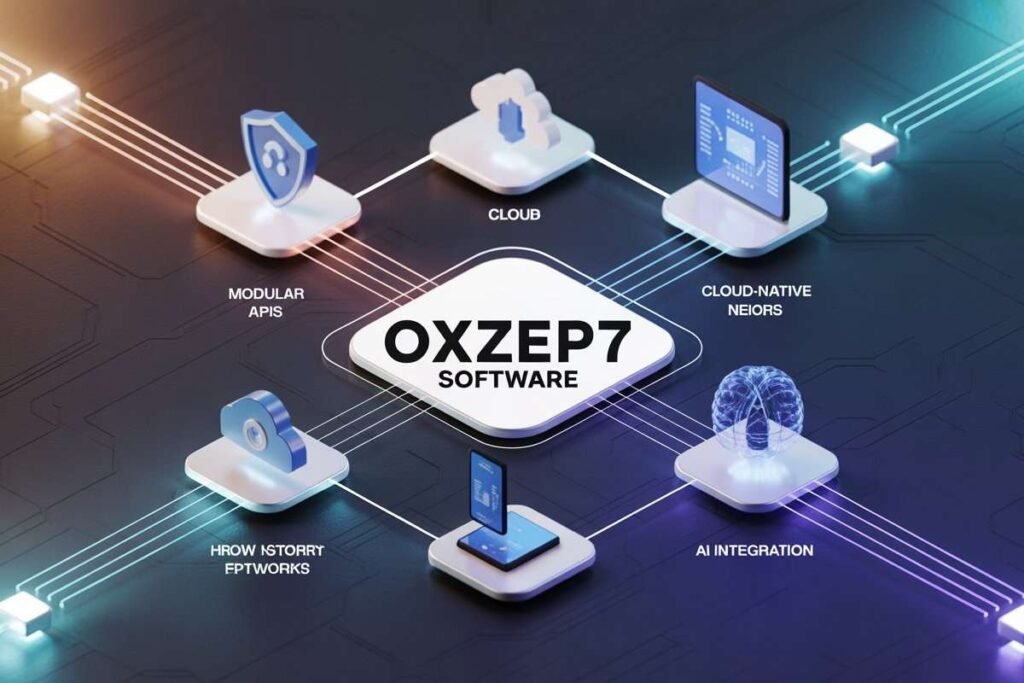
Architecture defines how your application behaves under load, integrates with external systems, and evolves over time.
Key design principles for Develop Oxzep7 Software:
- Modular Architecture: Divide functionality into independent Oxzep7 modules for easier updates.
- API-First Approach: Design APIs before implementation to ensure compatibility with other systems.
- Microservices: Deploy services independently to enhance reliability and scalability.
- Security by Design: Embed encryption, authentication, and compliance measures from the start.
- Cloud-Readiness: Ensure your application runs seamlessly on Oxzep7 cloud platforms.
Proper architecture reduces future Oxzep7 debugging needs, simplifies maintenance, and supports long-term innovation.
Step 4: Writing Oxzep7 Code and Building Modules
With the foundation set, you can now focus on Oxzep7 programming. Start by building the core codebase, including backend logic, frontend UI, database integration, and APIs. Divide your project into functional modules for better manageability. Modules allow teams to work simultaneously on different features, enabling faster development and smoother Oxzep7 integration.
Use version control systems like Git Oxzep7 to track changes, facilitate collaboration, and maintain the Oxzep7 source code repository. Maintain a structured build process, including compilation, runtime testing, and deployment preparation. Automation tools, CI/CD pipelines, and containerization with Docker Oxzep7 or Kubernetes Oxzep7 further streamline development, reduce errors, and improve delivery timelines.
Step 5: Testing, Debugging, and Optimization
Testing ensures reliability and stability. A comprehensive Oxzep7 testing strategy includes:
- Unit Testing: Validate individual modules.
- Integration Testing: Ensure workflows between modules work as intended.
- Load Testing: Test performance under heavy usage.
- Security Testing: Identify vulnerabilities and strengthen defenses.
Debugging is a continuous process. Use Oxzep7 debugging tools and logs to trace errors, optimize code, and improve runtime efficiency.
Optimization focuses on improving performance, scalability, and Oxzep7 security, ensuring your software meets enterprise-grade standards.
Step 6: Deployment and Monitoring
Deployment is more than moving your code to production. Proper Oxzep7 deployment includes configuration, monitoring, and performance tracking.
Deploy applications on secure cloud servers or enterprise infrastructure. Implement real-time monitoring with tools like Prometheus or Grafana. Monitor uptime, response times, user adoption, and error rates.
Regular updates and proactive maintenance ensure your Develop Oxzep7 Software remains robust, scalable, and competitive. This approach guarantees that your application continues to deliver value after the initial release.
Common Mistakes in Oxzep7 Development
Even experienced developers face pitfalls when building Develop Oxzep7 Software. Avoid these common mistakes:
- Skipping proper planning or MVP definition
- Choosing incompatible tech stacks
- Overcomplicating architecture without modularity
- Neglecting security or compliance measures
- Ignoring testing and continuous optimization
- Poor documentation and knowledge sharing
Awareness of these mistakes helps reduce risks and ensures smoother Oxzep7 programming workflows.
Expert Tips for Successful Oxzep7 Projects
To maximize success in Oxzep7 development, consider these expert tips:
- Start small and iterate gradually with Agile or Scrum Oxzep7 methods.
- Maintain clear documentation for APIs, modules, and architecture.
- Conduct regular code reviews and integration testing.
- Focus on user experience alongside backend performance.
- Leverage cloud platforms and CI/CD Oxzep7 pipelines for fast deployment.
- Engage with the Oxzep7 community for support and updates.
Following these strategies improves reliability, reduces bugs, and accelerates deployment.
Real-World Applications of Develop Oxzep7 Software
Develop Oxzep7 Software is transforming industries globally. Examples include:
- Healthcare: Secure patient records, AI diagnostics, and automated reporting.
- Finance: Fraud detection, algorithmic trading, and secure transactions.
- Retail: Personalized recommendations, automated supply chain management.
- Government: Smart city initiatives, digital services, and data management.
- Manufacturing: Predictive maintenance, IoT integration, and automation.
These examples prove that developing Oxzep7 software is a long-term strategic investment with tangible business outcomes.
Conclusion
Develop Oxzep7 software requires careful planning, selecting the right tech stack, implementing modular and scalable architecture, and performing continuous testing and optimization.
By following structured workflows from codebase to deployment, businesses can build applications that are not only secure and high-performing but also future-ready and adaptable to evolving technological demands.
Adopting best practices such as clear documentation, iterative development, and proactive monitoring ensures smoother deployment, faster updates, and long-term maintainability.
Ultimately, a well-executed Oxzep7 project delivers measurable business value, reduces risks, and positions organizations to remain competitive in an increasingly digital and AI-driven world.
FAQs
What makes Develop Oxzep7 Software different from traditional software?
Develop Oxzep7 Software emphasizes modular design, security, cloud readiness, and cross-platform compatibility, unlike conventional frameworks.
Who should develop Oxzep7 software?
Businesses and developers seeking scalable, secure, and maintainable applications should adopt Oxzep7 development.
Which tech stack is best for Oxzep7 development?
Common stacks include Python/Java backend, React/Angular frontend, Oxzep7-native DB, and cloud services like AWS Oxzep7.
How long does it take to develop Oxzep7 software?
Development time varies with project size, but iterative MVP-focused approaches speed up delivery.
How is Oxzep7 software tested for security?
Through unit, integration, load, and security testing, along with continuous debugging and optimization.
Can Oxzep7 software integrate with AI or IoT platforms?
Yes, Oxzep7 supports seamless integration with AI frameworks, IoT devices, and cloud platforms.
What are the main mistakes to avoid in Oxzep7 development?
Avoid skipping planning, using incompatible stacks, ignoring security, overcomplicating architecture, and neglecting testing.
Where is Oxzep7 software used in the real world?
It’s applied in healthcare, finance, retail, government, and manufacturing for automation, security, and AI-driven solutions.